Photovoltaic System Planning Checklist: Is Your Home Ready for Solar Energy?
Generating your own electricity on the roof to power your home and electric vehicle is a great idea. But what structural and legal requirements need to be met, and what should be considered when retrofitting old buildings? We have prepared a complete checklist.
Photovoltaic systems have been booming in recent years, and their popularity shows no signs of slowing down. A new building without PV modules is a rarity today, and more and more owners of older homes are also opting for solar installations. In the latter case, in particular, the cost, size, and orientation of the panels are not the only factors. You must also consider the cabling to the inverter, its location, the building's structure, and heritage conservation.
The checklist below provides a brief overview of the things to think about, whether you are planning to install a PV system on a new or existing building.
Photovoltaic System Installation Checklist
Before starting any work, it is important to answer key questions. Below are the main points that are equally relevant for new buildings and for retrofitting existing ones.
Checklist for Existing Buildings: Photovoltaics and E-Mobility
But what does retrofitting PV systems in older buildings involve? Can PV modules be installed and commissioned on old roofs?
"The good news is that even if older buildings are more difficult to retrofit than new and modern ones, photovoltaic systems can be installed almost anywhere."
In addition to all the aspects to consider when building a new house, you should also take the following additional points into account to make your solar project a success:
Structural Requirements for Installing Solar Panels
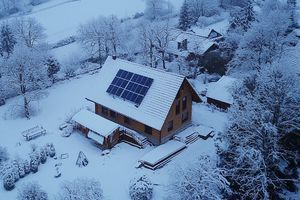
In the case of older buildings or large PV projects, the building structure must be checked. A 10 kW system, including modules and substructure, weighs a hefty 750 kg. An inspection by an experienced structural engineer is essential, especially for older buildings (if no structural analysis documents are available), flat roofs, and regions with heavy snowfall.
Although the additional load from PV modules is usually not an issue for pitched roofs, it's better to be safe than sorry. As the building owner, you are responsible for safety, and you may need to obtain a structural stability certificate. This will cost between 100 and 400 euros, depending on whether ready-made drawings exist or need to be drawn up from scratch.

Proper Cabling from the PV System to the Inverter
To benefit from your own PV power, it must get from the roof into your home grid. This requires an appropriate cable routing from the module arrays to the inverter. The latter is often located in the basement or utility room, which usually means routing cables over longer distances.
If your building was constructed recently, it may have cable ducts installed in advance during construction. This is rarely the case in older buildings. In many cases, cables can simply be routed through an existing shaft from the attic to the basement and utility room where the inverter is installed. If this is not possible, there are two options:

Location of Inverters and Energy Storage Systems
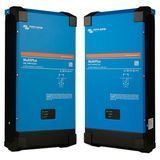
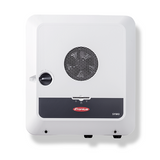
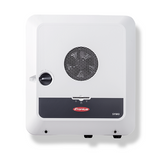
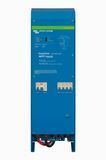
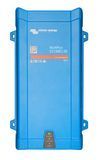
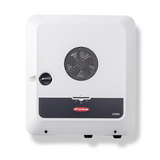
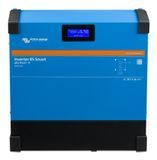
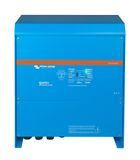
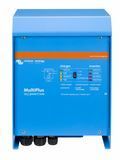
Every PV system needs an inverter so that solar energy can be used for household needs. Depending on the manufacturer and model, the location for this device must meet certain requirements.
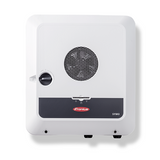
"The Fronius inverters can be installed almost anywhere. The only thing is they must be protected from direct sunlight. The ideal place is a sheltered indoor space that is dry and well-ventilated. This keeps the operating temperature in a moderate range and increases efficiency. That is why many homeowners place the inverter in a utility room or garage."
What do you need to know about the inverter's IP protection class?
Does direct sunlight affect the inverter's operation?
How much clearance is needed around the inverter?

Installing Photovoltaic Panels on Historic Buildings
Special Case: Heritage Buildings
Buildings listed in historical registers require a special approach. The expansion of renewable energy is a priority in many countries. For instance, in Germany, Austria, and Switzerland, PV systems are generally permitted on protected buildings provided the PV modules only slightly impair the aesthetics, but such systems are always subject to approval.
The government body responsible for heritage conservation must review the permit. They can only ban the installation if the building's appearance and safety are significantly compromised.
For aesthetic reasons, in-roof modules with matte surfaces are often used. It is recommended to install them on the side — away from the road — or on outbuildings.
At a Glance: What You Need to Know
You need to carefully plan your PV project to get the most out of it and avoid unpleasant surprises during installation. Choosing the right system size and orientation is a key aspect of the planning phase for every PV system, along with the location of the inverter and battery storage system.
If you want to retrofit a PV system on an existing building, you also need to think about the structural design, cabling routing options, and heritage conservation. The bottom line: photovoltaic systems can be installed on almost any building.
Entrust Your PV System Planning to Total Energo Professionals
Not sure how or where to start?
Our engineers will advise and support you from the planning stage to the installation of your system. We take every detail into account — from the building's structure to cable routing requirements!
Contact Us