Photovoltaics in Winter — Is It Worth It? Facts and Tips
Summer and sun go hand in hand with PV systems, but what happens in winter? Contrary to popular belief, cold and snow can positively affect performance. We break down the facts, figures, and strategies for maximum winter efficiency.
Why Photovoltaics Work in Winter Too

The explanation is simple: fewer sun hours = lower yield. The earth's tilt means the sun is lower in winter, rays fall at a sharp angle, and more is absorbed by the atmosphere due to a longer path through clouds, dust, and water vapor.
But there is good news: photovoltaic systems use not only direct but also diffuse radiation — scattered by air molecules and water particles. That is why power generation continues even on cloudy winter days, albeit in lower volumes.
Summer: Maximum Generation
A 10 kWp photovoltaic system in summer generates 50–60 kWh per day — 5–6 times its rated capacity. Self-sufficiency easily reaches 100%, and surpluses are stored in a battery or fed into the grid.
📈 10 kW system → 50–60 kWh/daySpring and Autumn: Transition Seasons
From about March to October is the active generation season. Monthly yields during these months are high, and the PV system's annual average remains excellent even factoring in winter.
🌤 Stable self-sufficiency up to 80%Winter (Nov–Jan): Minimal but Present Generation
A roof system generates only about 10% of its summer levels. For a 10 kW system, that's ~1 kWh/day. However, a south-facing facade system can produce up to 10 kWh/day even in the coldest months.
🔋 Facade system → up to 10 kWh/day in winterHow Does the Low Sun Affect PV System Design?
East-west oriented systems offer significantly lower performance in November–January: the sun rises later and stays further south. Terrain, fog lines, forests, and neighboring buildings further reduce useful sunshine hours.
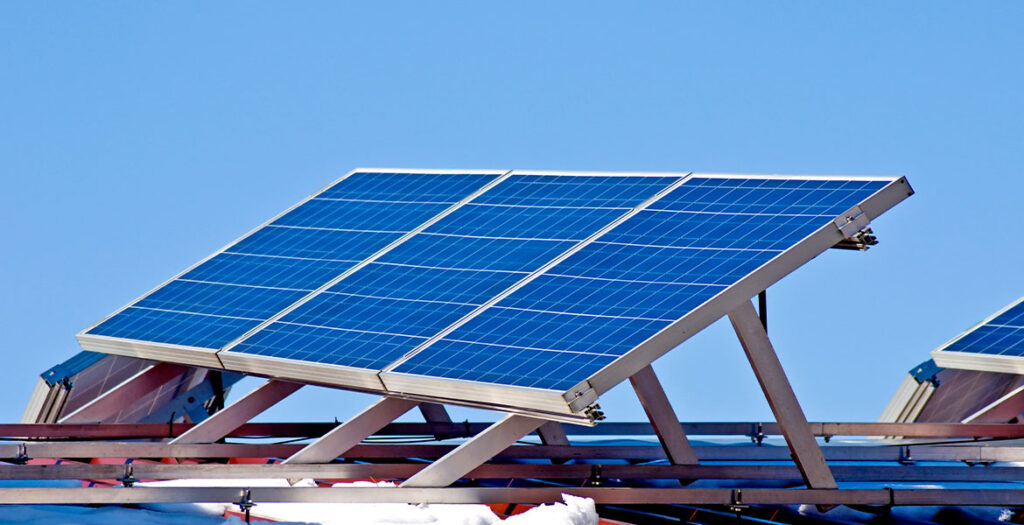
Therefore, in winter, mounting modules at a steeper angle should be considered. While roof systems with a 10–30° pitch are ideal in summer, steep racks or facade systems offer significant advantages in winter — and accumulate almost no snow.

How Much Electricity Does a PV System Produce in Winter?
Below is comparative data on real generation for an 8 kWp system at various orientations. The data shows: a south-facing facade system in winter can produce 2–4 times more than an east-west roof system with snow cover. Read more about it here.
* Real measurement data. During prolonged snow cover, output is significantly lower for roof systems.
Is Energy Self-Sufficiency Possible in Winter?
The answer depends on your heating system and consumption level. The extremes look like this:
Consumption is ~8 kWh/day. With a well-oriented PV system, self-sufficiency can realistically reach up to 90% even in winter.
A heat pump consumes 10–40 kWh/day. Even with a 10 kW system, you get a maximum of 20% self-sufficiency in winter.
🎯 Planning Tips for Maximum Winter Generation
Combined Orientation
Combine south and east-west orientations across three strings to broaden the generation curve and improve winter performance.
Tilt Angle of 20–50°
The ideal tilt for maximum winter yield. Adjustable mounting systems allow you to change the angle seasonally.
Vertical and Facade Systems
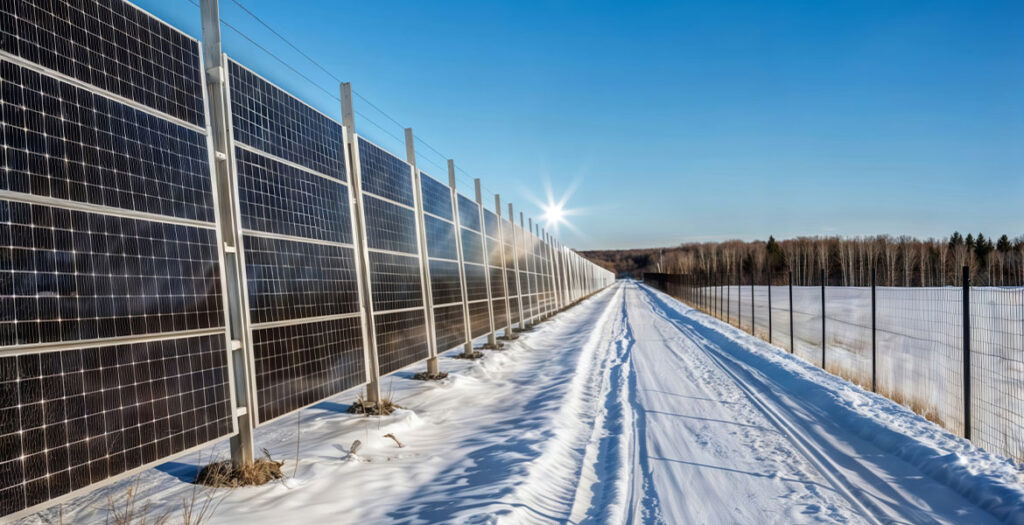
Vertically mounted modules on facades, fences, or garden walls are especially effective in winter, and snow hardly sticks to them.
Bifacial Modules
Bifacial modules capture light from both sides and effectively utilize the albedo effect — reflection from snow.
Oversizing the PV System
If you have a heat pump, consider oversizing the system by 3–5 kW. Evaluate the annual balance, not just the winter months!
Terrain and Shading Analysis
Fog lines, mountains, forests, and neighboring buildings all reduce useful winter hours. Factor this into your design.
Cold Boosts PV Panel Efficiency!
Is it true that PV systems work better in the cold?
Yes! Ambient temperature directly affects solar cell efficiency. This is due to the temperature coefficient — a key module performance metric.
Crystalline silicon (which most panels are made of) has a negative temperature coefficient: -0.3 to -0.5% per °C. Meaning for every degree above 25°C, power drops by this percentage. Conversely — in the cold, it increases.
🔬 Exactly how does temperature affect voltage and current?
🌨️ Can panels produce energy under snow?
📈 Are winter months a "dead zone" for PV systems?
Preparing Your PV System for Winter
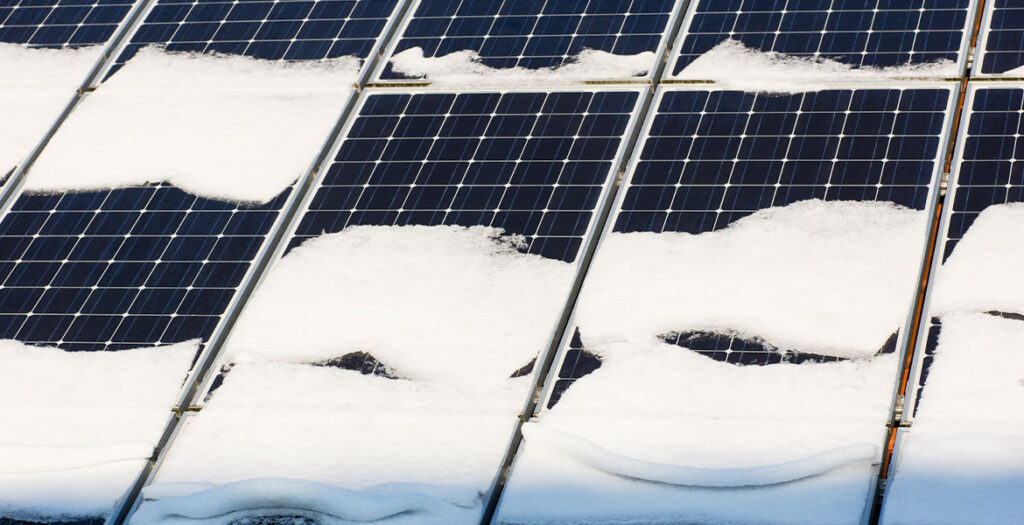
Above all, regular maintenance and careful monitoring of your PV system are fundamental to optimal energy yield and longevity. If you keep a close eye on your PV system — both online in a monitoring app and directly on the roof — you can react quickly to faults and largely avoid unpleasant surprises caused by technical issues, even in winter. Tip: A quick professional inspection in late autumn will pay off, ensuring the system enters the winter season with clean surfaces and full performance capacity.
Snow on Panels: Do's and Don'ts
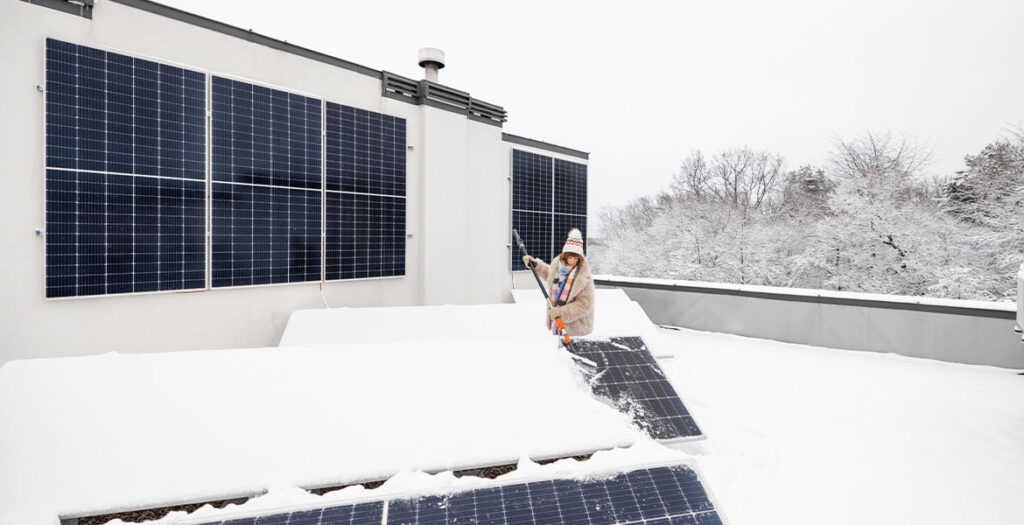
Does snow on the modules mean no solar power? Yes and no. Modules can generate electricity from diffuse light even if covered by a few centimeters of fluffy snow. The heat from the modules, along with a steeper tilt, melts snow and ice, causing it to slide off without assistance. Modules usually clean themselves.
Snow thicker than 15 cm blocks light from reaching the modules. Then you have to weigh: is it worth cleaning? Key criteria: duration of snow cover, height of the installation, and type of snow.
Do — From the Ground
Clean accessible areas using soft tools: soft-bristle snow brushes or telescopic pushers.
Don't — Road Salt
Salt particles damage modules and lead to a permanent loss of performance. Never use it!
Do — Weigh the Costs
If energy losses are minor, it's sometimes better to accept them than to hire a specialized company.
Don't — Climb the Roof Yourself
Only specialists with proper equipment should do this. The risk of accidents is too high.
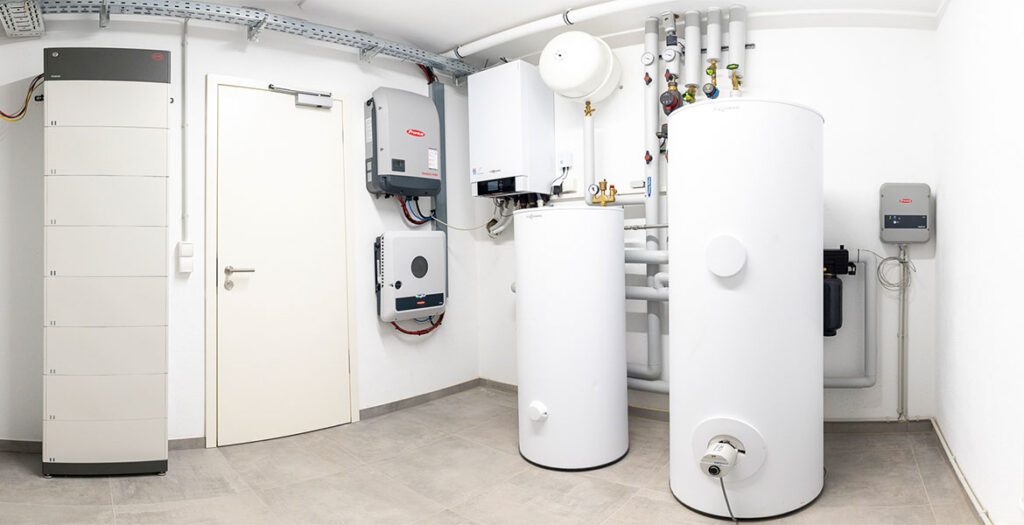
Checklist: 5 Ways to Maximize Self-Consumption in Winter


Is It Worth Buying a PV System for Winter?
Prepare Your PV System for Winter with Total Energo
Want the Maximum from Your PV System Even in Winter?
Our engineers will conduct a winter system audit, choose the optimal storage strategy, and help configure smart management — so your system operates efficiently year-round!