Where to place a solar inverter?
Our guide to finding the perfect location for maximum efficiency.
A Fully Functional System
At first glance, installing a photovoltaic system in your home seems quite simple. However, PV modules are only part of the picture.
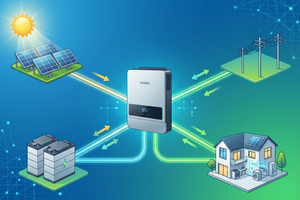
A fully functional system requires a number of components to ensure a proper flow of electricity. First, if you haven't planned a PV system before but understand what an inverter is, you have a head start. This blog post is for anyone unsure about the benefits of this system component.
But the question still remains, where to place this important element of the PV system, considering the quiet hum it generates during operation. Check out this blog to see what else you can do to extend the lifespan of your power converter. Let's now move on to the ideal locations where inverters can provide the maximum return.
Conditions for a Long Service Life
When it comes to a long lifespan, your inverter benefits from a location that is:
1 Cool
2 Dry
3 Low in dust
4Well-ventilated
1. Installing the inverter in a utility room or basement
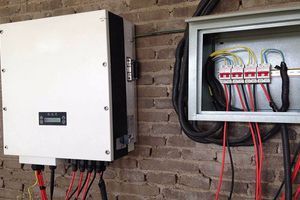
The most common location for installing inverters (at least in Central Europe) is a utility room on the ground floor or in the basement of the building. Here, the power converter can operate smoothly alongside the rest of the technical equipment — a heat pump, boiler, and energy storage unit — which run quietly. It is worth noting that placing several electronic devices in a confined space can lead to a noticeable increase in heat generation.
If you also want to install the inverter in a utility room, there is usually no reason not to do so. Here are the pros and cons:
✅ Pros
● Protection from dirt and moisture.
● Easy installation and cable routing (ability to use existing connections).
● Easy access.
❌ Cons
● A warm environment leads to higher operating temperatures.
● In particular, old basements can be damp or poorly ventilated.
2. Garage installation: a practical alternative for your inverter
Not every building has a utility room or basement, but alternatively, a garage is also an ideal new home for your inverter. This is because, in addition to sufficient space for cars, most garages have free wall space for essential PV components. However, if the garage is small or you have a large vehicle, this can sometimes make parking difficult.
✅ Pros
● Protected from UV radiation and rain.
● Noise is not heard in the living area.
● Easily accessible.
❌ Cons
● Cabling.
● Not every garage has enough space.
● Exhaust gases and dust from DIY work can clog the ventilation holes.
3. Outdoor inverter installation: what to consider for backyard placement
When indoor space is limited, the backyard can offer an alternative location for installation. This can also be an ideal location for the inverter, although it's important to remember that not every device is equally suitable for outdoor use. Power converters must withstand the effects of wind and rain, and occasionally water droplets may hit the casing.
The IP protection class indicates how sensitive the chosen product is to dust and water. "IP" stands for "Ingress Protection," and devices with a protection rating of IP 65 or higher are generally able to withstand these conditions. South and west-facing walls are usually less suitable, as they are exposed to stronger sunlight in the Northern Hemisphere than north and east-facing walls.
✅ Pros
● Space saving.
● May allow for shorter cable runs.
❌ Cons
● A high IP protection class is required.
4. Roof-mounted inverters: advantages and disadvantages
One option, used mainly for large roof systems in commercial spaces, is installing the inverter directly on the roof. This is ideal if there are shaded areas protected from wind and rain. Otherwise, a high IP protection class and special cooling technology are essential to prevent damage and performance losses. Installation on roofs is particularly complex when the inverter must be mounted horizontally. Not all devices are capable of operating in such conditions, but your installer will know if your device can be mounted horizontally.
✅ Pros
● The shortest cable route keeps the PV components close together.
❌ Cons
● The roof must be accessible for maintenance, protected from sunlight, and in many cases requires horizontal mounting.
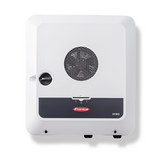
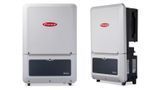
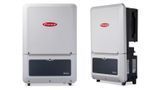
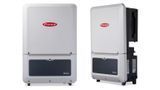
By the way, Fronius does offer an inverter that can withstand extreme temperatures — the Fronius Tauro. Designed for commercial use in extreme weather conditions, this product can easily endure both heat and cold thanks to its double-walled housing. The only drawback is that it is too powerful for a home, but the smaller and more modern Fronius Verto is an excellent choice in this case. Equipped with a proper mounting kit, it can also withstand direct sunlight on flat roofs and walls.
Frequently asked questions about solar inverter placement
One thing is certain: every location has its advantages and disadvantages. Not every garage is suitable for placing an inverter, for example, because it is too small or gets too hot in the summer. On the other hand, a utility room may be cool enough for an inverter. If you are unsure, your installer can help you find the best location for the inverter in your home.
📞 Still have questions about installation?
Contact our experts for a detailed consultation and calculation of the optimal configuration for your solar power station. We will help you make the right choice!